The legacy system is still running, but no one truly understands how it works anymore.
This is a situation many businesses face when a system was built 10–20 years ago, while the original development team has already left the company or moved to other departments.
Over time, the Legacy System gradually becomes a “black box”: the business depends on it every day, yet maintaining and upgrading it becomes increasingly difficult.
So, is Migration the way out?
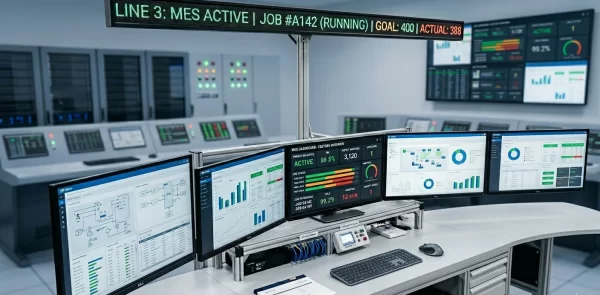
When a Legacy System Becomes a “Black Box”
A Legacy System does not necessarily mean a system that has stopped working. On the contrary, the biggest problem is that it is still running but becoming increasingly difficult to manage.
Common signs include:
- Fewer and fewer people understand the legacy system in depth.
- Design documents, source code, or specifications are incomplete.
- Only a few employees know how to handle complex issues.
- The technology, framework, or database is outdated.
- Integrating with new systems takes a significant amount of time.
- Every modification carries the risk of affecting other functions.
- Maintenance costs continue to increase while scalability remains limited.
In particular, when a key employee leaves, the business may also lose the “tacit knowledge” accumulated over many years.
This is not just an IT issue. It is an operational and business risk.
Can Migration Solve the Legacy System Challenge?
Yes, but Migration is not simply about “moving an old system to a new one.”
An effective Migration project should begin with a clear understanding of the existing system: its architecture, database, business logic, dependencies, and critical data flows.
The business can then choose the strategy that best fits its needs:
- Rehost: Move the system to a new environment with minimal changes.
- Replatform: Change the platform or selected components to optimize operations.
- Refactor: Restructure the code and architecture to improve scalability.
- Replace: Replace the legacy system with a new solution.
- Modernization: Modernize the system incrementally instead of changing everything at once.
Not every system needs to be completely rebuilt from scratch. What matters is identifying which components should be retained, which should be changed, and which can be eliminated.
Migration Is Also a Step Toward DX
Many businesses begin their DX (Digital Transformation) journey by implementing AI, Cloud, or automation tools. However, if core data and systems remain trapped in a Legacy System that is difficult to integrate, the effectiveness of these new technologies will be limited.
Migration helps businesses build a more flexible IT foundation, making it easier to:
- Integrate Cloud and SaaS.
- Connect with external systems through APIs.
- Standardize and leverage data.
- Implement AI and Automation.
- Reduce dependency on legacy technologies.
- Shorten development and maintenance time.
In other words, Migration is not the destination of DX. Migration is one of the steps that helps businesses build a foundation for DX.
Don’t Wait Until “No One Knows the System Anymore”
Migration is often postponed because businesses are concerned about costs, timelines, and the risk of disrupting current operations.
However, continuing to maintain a system that fewer and fewer people understand also creates “hidden costs”: maintenance expenses, training costs, incident response time, and the risk of depending on a small number of employees.
The question should not only be, “How much will Migration cost?”
It should also be:
“If we keep this system unchanged for another five years, how much will it ultimately cost the business?”
Conclusion
A Legacy System becoming a “black box” does not necessarily mean that a business must replace it immediately. However, it is a sign that it is time to reassess the system architecture, data, and IT strategy.
When implemented properly, Migration can help businesses reduce Legacy-related risks, modernize their systems, and build a stronger foundation for DX, Cloud, AI, and Automation.
The legacy system may continue to run. But businesses do not necessarily have to continue depending on it.